


Cloud accounting is rapidly shaping the future of financial management within firms, offering a sustainable and efficient solution for modern accounting processes. As companies strive to achieve agility and flexibility in their operations, cloud-based solutions have emerged as a pivotal enabler.
In recent years, the transition to cloud accounting has gathered unprecedented momentum. The global pandemic showcased the essential need for remote access to financial data, propelling firms to rethink their traditional on-premise accounting systems. These systems, often labor-intensive and costly to maintain, are being replaced by cloud solutions that provide real-time access to financial data from anywhere, at any time.
Real-life business cases reveal the transformative power of cloud accounting. At Deloitte, for instance, the adoption of cloud accounting software facilitated seamless workflow management and improved data accuracy across diverse business functions. This switch not only reduced overhead costs but also improved stakeholder collaboration, providing a reliable foundation for strategic decision-making.
Environmental sustainability is another compelling advantage of cloud accounting. By minimizing the need for physical infrastructure, these solutions significantly reduce carbon footprints. This aligns with the broader corporate social responsibility goals that many accounting firms are aiming to achieve. PwC's adoption of cloud accounting platforms led to both financial and environmental gains, positioning them as industry leaders in sustainable practices.
Furthermore, the scalability offered by cloud accounting solutions is crucial for firms looking to expand their operations. Through features such as automated reporting, invoicing, and payment processing, firms can streamline their operations and reallocate resources to high-value tasks. The integration capabilities of these platforms allow for the incorporation of additional software tools, creating a cohesive ecosystem that supports diverse operational needs.
Despite the numerous benefits, firms should exercise caution when transitioning to cloud accounting. It is imperative to perform comprehensive due diligence to understand the security protocols and data privacy measures that these platforms offer. Ernst & Young (EY) emphasizes the importance of evaluating a provider's track record and the sophistication of their security measures to ensure data protection and compliance with industry regulations.
The current trend towards cloud accounting is more than just a technological shift; it's a movement towards a sustainable and resilient future for firms worldwide. As traditional practices face increasing challenges, embracing cloud accounting provides an opportunity to innovate and thrive in an ever-evolving business landscape.
Estimated reading time: 2 minutes, 2 seconds
The Rise of Cloud Accounting: A Sustainable Future for Modern Firms Featured
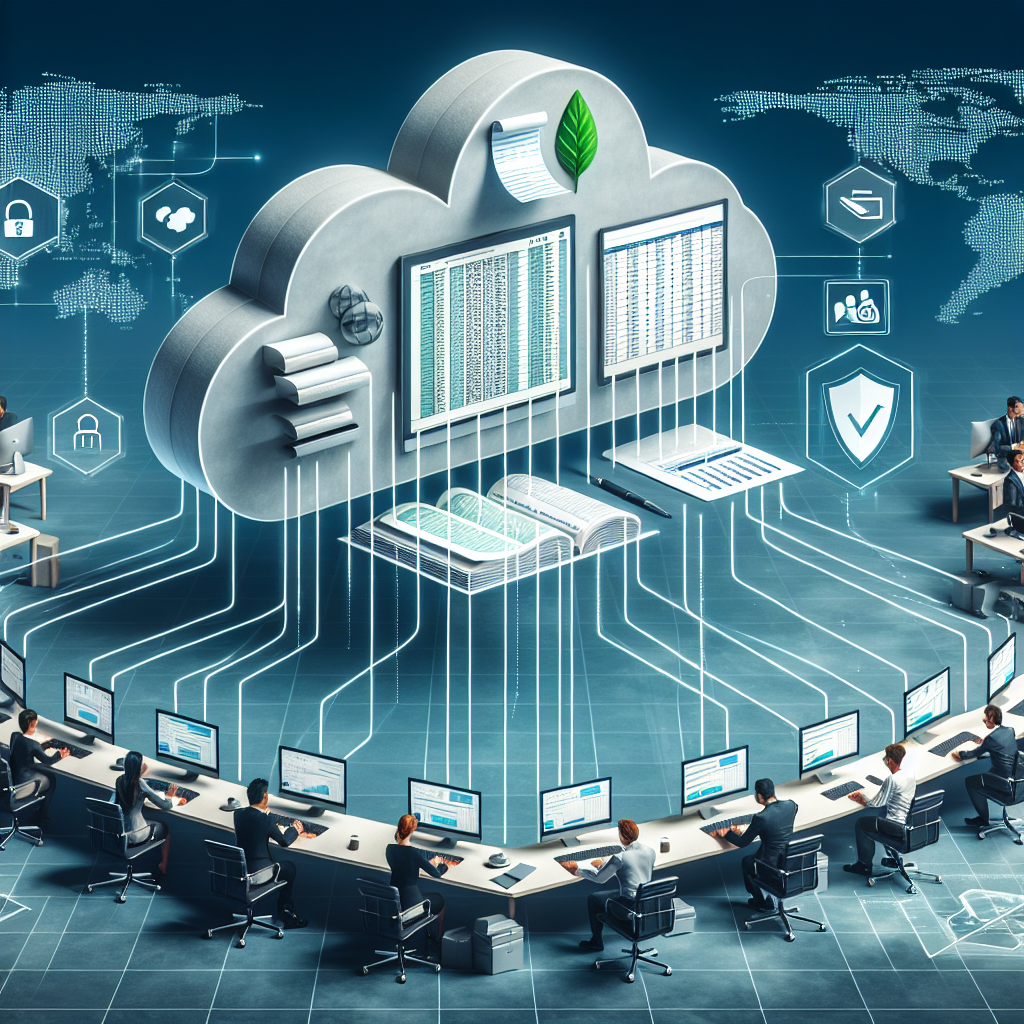 Explore the rise of cloud accounting as a sustainable and efficient solution for modern firms. Delve into its benefits and challenges, with insights from industry leaders.
Latest from The Progressive Accountant
- Embracing Automation in Accounting: Transforming the Future of Financial Management
- Balancing Technology and Tradition: Modernizing Your Accounting Firm
- Navigating Sales Tax Compliance in a Rapidly Changing Landscape
- Navigating the Shift: Embracing Hybrid Work Models in Accounting Firms
- Navigating New Tax Reforms for Small Businesses in 2023
Most Read
-
-
Aug 24 2025
-
Written by The Progressive Accountant
 Explore how RPA and AI are transforming accounting practices, enhancing…
-
-
-
Aug 24 2025
-
Written by The Progressive Accountant
Explore the rise of AI-powered auditing in U.S. accounting firms,…
-
-
-
Aug 31 2025
-
Written by The Progressive Accountant
Explore the transformative impact of AI on the accounting industry,…
-
-
-
Aug 31 2025
-
Written by The Progressive Accountant
Explore the latest IRS changes impacting small businesses, the challenges…
-