


In recent years, artificial intelligence (AI) has begun to play a transformative role in many industries, including accounting. Among the most notable trends affecting U.S. accounting firms today is the adoption of AI-powered auditing tools designed to streamline processes and enhance accuracy in financial audits.
AI-powered auditing solutions utilize sophisticated machine learning algorithms to analyze large volumes of financial data quickly. These tools offer numerous benefits for accounting firms, including increased efficiency and the ability to detect anomalies faster and more accurately than traditional auditing methods. This development is timely, particularly due to the rising complexity of financial transactions and regulations that demand higher accuracy and compliance from firms.
Prominent firms such as Deloitte and PricewaterhouseCoopers have been early adopters of these technologies. By integrating AI into their auditing processes, these companies have witnessed remarkable improvements in audit quality and a reduction in the time taken to complete audit engagements. AI technologies have enabled them to direct human auditors' focus towards more strategic, high-value tasks rather than routine data verification.
AI-driven auditing tools have demonstrated success in identifying potential risks and fraudulent activities by recognizing patterns and anomalies indicative of misstatements. This is particularly crucial in an era where financial fraud can have devastating impacts, as seen in prominent accounting scandals. The enhanced capabilities of AI solutions can act as preventive measures against such misfortunes, fostering trust and adherence to regulations within organizations.
Critics, however, argue about concerns related to the ethical use of AI, privacy issues, and the potential displacement of traditional jobs within the sector. These challenges necessitate balanced integration policies that secure data privacy and augment rather than replace the human element of auditing.
Despite these challenges, the overall outlook for AI-powered auditing is positive. As technology continues to evolve, accounting firms must adapt these tools to remain competitive. Embracing AI-assisted technologies positions firms for better performance and reliability, which aligns with the financial industry’s mandate for innovation and greater accountability.
One case that showcases the successful application of AI-aided auditing is KPMG's implementation of AI-enhanced tools across their audits. KPMG has reportedly achieved significant improvements in audit accuracy and speed, exemplifying how technology can complement and enhance human capabilities in traditional accounting practices.
As AI technology continues to advance, accounting firms in the U.S. are encouraged to adopt these innovations as part of their strategic growth endeavors. The combination of human expertise and advanced technology serves as a significant catalyst for more intelligent, efficient, and reliable financial oversight.
Estimated reading time: 2 minutes, 10 seconds
The Emerging Trend of AI-Powered Auditing in U.S Accounting Firms Featured
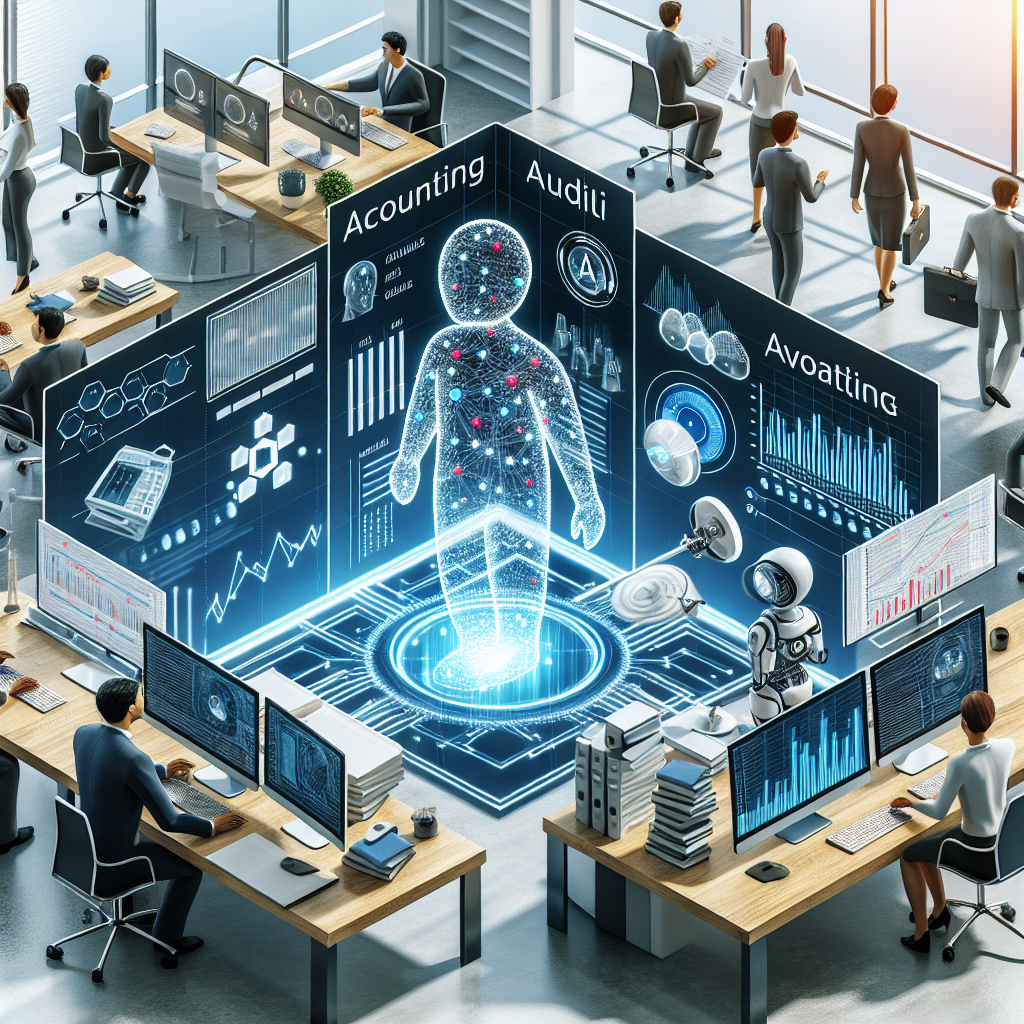 Explore the rise of AI-powered auditing in U.S. accounting firms, highlighting benefits, challenges, and real-life applications in enhancing auditing processes.
Latest from The Progressive Accountant
- Supreme Court Decision: A New Era for Remote Seller Sales Tax Compliance
- Navigating the Complex Landscape of ESG Reporting in the Accounting Industry
- Adapting to Inflation: Strategies for Accounting Firms
- Navigating the Evolving Landscape of Sales Tax Compliance in the Digital Economy
- Navigating the Complex Landscape of Auditing Technology in Modern Firms
Most Read
-
-
Jun 29 2025
-
Written by The Progressive Accountant
 Explore the latest shifts in U.S. accounting standards led by…
-
-
-
Jun 15 2025
-
Written by The Progressive Accountant
Explore the critical importance of strategic planning for modern accounting…
-
-
-
Jun 22 2025
-
Written by The Progressive Accountant
Discover the strategic advantages of adopting remote work in modern…
-
-
-
Jun 15 2025
-
Written by The Progressive Accountant
Discover how remote auditing is reshaping CPA firms' operations. Learn…
-