


The accounting industry has seen rapid transformations over the past few years, notably with the emergence of hybrid work models. As firms strive to adapt, leaders are tasked with balancing flexibility and productivity.
A recent study showcased that nearly 70% of accounting firms in the United States have adopted a hybrid work model. This shift has not only changed the physical workspace dynamics but has also brought new challenges and opportunities in firm management. Embracing this change requires strategic planning and adoption of the right tools.
One major player in this evolution is Deloitte, which has set an example by implementing advanced digital solutions that ensure seamless collaboration between remote and on-site employees. By enhancing digital infrastructure, Deloitte has managed to boost productivity, ensuring their teams remain connected and efficient.
Firms that successfully implement hybrid models tend to adopt cloud-based accounting software, facilitating seamless data access. This ensures that employees can work irrespective of their geographical location. Additionally, adequate cybersecurity measures are paramount, as firms must protect sensitive client data from potential threats.
Flexibility is now a crucial aspect of firm management. Employees desire the liberty to choose their work environment. By allowing this choice, firms can enhance employee satisfaction and retention, which has become evident in EY's recent initiatives to train and integrate their remote teams. Their approach has set a precedent for utilizing training programs, ensuring that all employees are updated with the latest industry practices and innovations.
Adopting hybrid work models brings the potential for streamlining operational costs. Fewer employees in-office lead to reduced expenses in travel, maintenance, and office supplies. Firms now have the opportunity to reinvest these savings into employee-centric programs, such as wellness initiatives and professional development courses.
As more firms embrace the hybrid work model, the need for an effective evaluation framework becomes evident. Performance metrics must adapt, focusing on outcomes and deliverables rather than traditional office hours. This transition requires a deep understanding of client needs, ensuring that service quality remains uncompromised.
In summary, the move to hybrid work models is redefining how accounting firms operate. The key to success lies in adopting technology, fostering a culture of flexibility, and ensuring robust cybersecurity measures. As firms navigate these changes, they ensure not just continuity, but also growth and adaptability in a fast-evolving industry landscape.
Estimated reading time: 2 minutes, 0 seconds
Navigating the Shift: Embracing Hybrid Work Models in Accounting Firms Featured
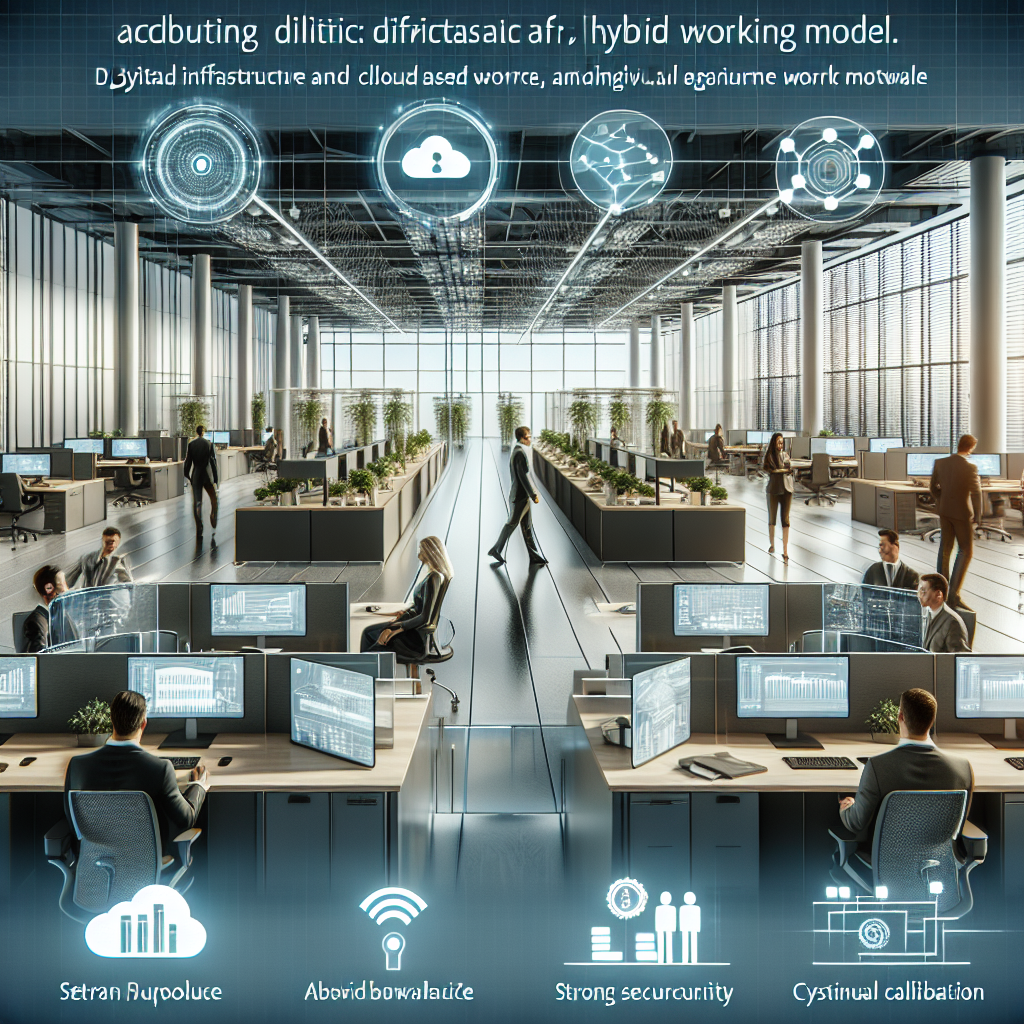 Explore how accounting firms are adopting hybrid work models, integrating technology, and ensuring productivity while managing remote and on-site teams effectively.
Latest from The Progressive Accountant
- Navigating Firm Management: Understanding the Shift to Remote Operations
- Navigating the Latest Tax Compliance Trends: A Guide for Accountants
- Addressing the Challenges of Remote Tax Consultations
- Emerging Trends in US Corporate Taxation: What You Need to Know
- The Impact of AI on Accounting: Navigating the Future of Finance
Most Read
-
-
Apr 26 2026
-
Written by The Progressive Accountant
 Explore recent state income tax reforms in the US and…
-
-
-
Apr 26 2026
-
Written by The Progressive Accountant
Explore how cloud technology is reshaping the accounting industry by…
-
-
-
May 03 2026
-
Written by The Progressive Accountant
Explore the latest changes in sales tax compliance and economic…
-
-
-
Apr 26 2026
-
Written by The Progressive Accountant
Discover how automation is revolutionizing accounting firms by enhancing efficiency…
-