


The transformation of traditional work settings into flexible remote work environments has become a significant trend in accounting firms. The drive towards increased remote work accommodations has opened doors for many firms to attract top talent and enhance employee satisfaction. Amidst this transition, there’s a growing emphasis on finding balance—a balance between flexibility and productivity.
The shift gained momentum among accounting firms during a time of global need for increased flexibility. Firms like Deloitte and Ernst & Young realized that offering work-from-home options wasn’t just a temporary fix but could also serve as a strategic advantage. Many of these firms redesigned their policies, focusing on results rather than the conventional 9-to-5 office presence. This cultural shift places trust at the forefront, empowering employees to manage their schedules while maintaining accountability for deliverables.
However, the transition presents challenges. For instance, ensuring seamless communication and collaboration is pivotal. This necessity for connectedness led firms to invest in cloud-based solutions and project management tools. Platforms like Slack and Microsoft Teams have become indispensable, enabling real-time communication and offering virtual channels for team collaboration.
Maintaining productivity in remote settings has, at times, proven complex. Managers are experimenting with new techniques to uphold performance standards. Regular virtual check-ins, clear goal-setting practices, and providing the right technological resources are becoming norms rather than exceptions. Additionally, firms are recognizing the need for employee well-being initiatives. Building a remote culture that prioritizes mental health and work-life balance can significantly impact productivity and retention.
Industry leaders are sharing success stories of remote adaptations. For example, PricewaterhouseCoopers (PwC) not only allowed extensive remote work but also developed comprehensive training programs to ensure employees were equipped with necessary technological skills. This knowledge base not only improves individual performance but also creates cohesion among teams separated by miles, even continents.
While remote work is hailed as an innovation, it's essential to recognize that not all functions within an accounting firm are suitable for remote operations. Sensitive client data may necessitate in-person reviews or audits. Thus, hybrid models are gaining traction—blending in-person meetings with remote tasks provides a versatile framework that maintains the integrity of vital operations.
Estimated reading time: 1 minute, 52 seconds
The Evolution of Remote Work Policies in Accounting Firms: Balancing Flexibility and Productivity Featured
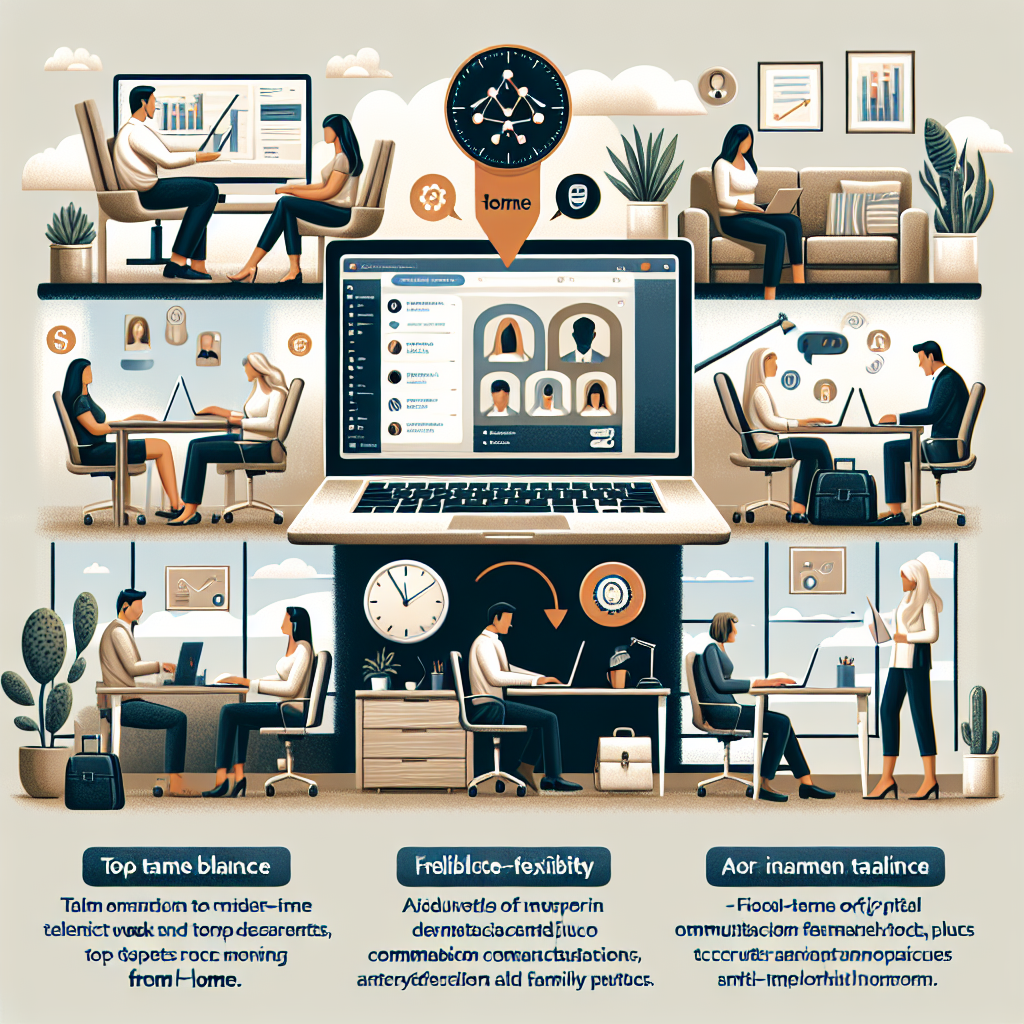 Explore how accounting firms are evolving their remote work policies to enhance productivity while ensuring employee engagement and flexibility.
Latest from The Progressive Accountant
- Navigating Through the Complexity: An Overview of Recent Sales Tax Compliance Changes
- Accounting News: Impact of the Latest IFRS Amendments on U.S. Firms
- Navigating the Complexities of Sales Tax Compliance in the Digital Age
- The Rise of AI-Powered Accounting Software: Transforming Financial Management
- The Role of Cloud Technology in Modern Accounting
Most Read
-
-
Dec 14 2025
-
Written by The Progressive Accountant
 Discover how young innovators and emerging leaders are transforming the…
-
-
-
Dec 14 2025
-
Written by The Progressive Accountant
Discover how generative AI is transforming accounting practices, enhancing accuracy,…
-
-
-
Jan 04 2026
-
Written by The Progressive Accountant
Emergent trends in tax compliance and preparation reveal the increasing…
-
-
-
Dec 28 2025
-
Written by The Progressive Accountant
Explore the growing impact of sustainability reporting on accounting practices,…
-