


The integration of artificial intelligence (AI) in accounting firms is rapidly transforming the industry's landscape. Today’s financial tools are more than just assistants; they are partners in innovation, offering capabilities to predict, automate, and enhance decision-making processes.
One major trend is the enhancement of predictive analytics. Firms are leveraging AI to forecast financial trends, allowing accountants to provide more strategic insights to their clients. Predictive algorithms utilize historical data to project future financial performance, helping firms to sustain a competitive advantage.
Automation of mundane tasks is another significant development. From bookkeeping to tax preparation, AI-driven solutions are minimizing the time accountants spend on repetitive tasks, allowing them to focus on more high-value activities. This shift not only boosts productivity but also heightens job satisfaction in the accounting field.
Firms are also experiencing improved data accuracy and security thanks to AI-powered tools. Advanced algorithms help in detecting anomalies and fraudulent activities, safeguarding financial data's integrity. In a world where privacy concerns are paramount, such features are invaluable.
Despite the obvious benefits, the adaptation process presents its own set of challenges. Employees may resist changes due to fears of job loss or unfamiliarity with new technologies. Effective change management strategies are essential to ease this transition. Offering comprehensive training programs can ensure that staff members feel confident and competent in using new tools.
Real-time collaboration features offered by AI platforms are transforming firm operations. With cloud-based solutions, teams can work together seamlessly from anywhere, expanding opportunities for remote work and client engagement.
Referencing Deloitte's recent implementation of AI chatbots, it's clear that such integrations can enhance customer interactions, offering immediate assistance and streamlining communication processes. These advancements underscore the importance of technology adaptation to meet evolving client expectations.
In summary, the shift towards AI-powered tools is crucial as accounting firms strive to maintain their competitive edge. Embracing these technologies not only revolutionizes traditional accounting practices but also unlocks new potentials for business growth and sustainability.
Estimated reading time: 1 minute, 42 seconds
Strategies For Adapting to AI-Powered Financial Tools in Accounting Firms Featured
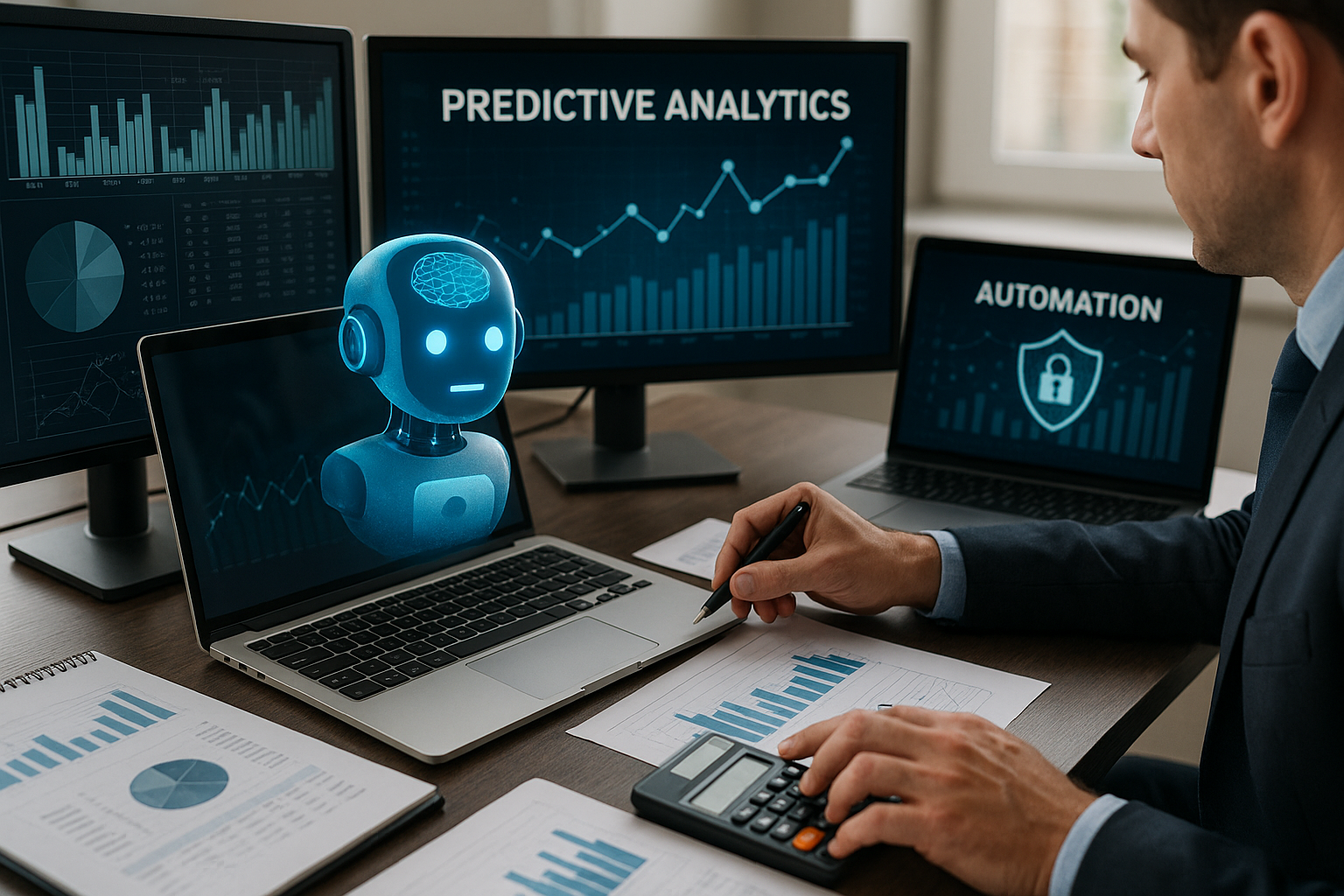 Explore strategies for adapting to AI-powered financial tools in accounting firms, ensuring technological integration and operational efficiency.
Latest from The Progressive Accountant
- Navigating the Complex Landscape of Tax Compliance: Recent Trends and Insights
- The Rising Influence of ESG Metrics on Accounting Firms
- Optimizing Firm Operations with Collaborative Tech Integration
- Embracing Sales Tax Compliance: Businesses Navigate Complex Regulations
- Navigating the Changing Landscape of Tax Regulations in the US
Most Read
-
-
Apr 26 2026
-
Written by The Progressive Accountant
 Explore recent state income tax reforms in the US and…
-
-
-
Apr 26 2026
-
Written by The Progressive Accountant
Explore how cloud technology is reshaping the accounting industry by…
-
-
-
May 03 2026
-
Written by The Progressive Accountant
Explore the latest changes in sales tax compliance and economic…
-
-
-
Apr 26 2026
-
Written by The Progressive Accountant
Discover how automation is revolutionizing accounting firms by enhancing efficiency…
-