

Small businesses in the United States are witnessing significant changes due to recent tax reforms. These reforms, which aim to simplify the tax code, have introduced both opportunities and challenges for small business owners.
One of the major changes has been the modification of the corporate tax rate. This adjustment is designed to make the United States more competitive globally. However, small businesses often operate as pass-through entities, which means their income is taxed at individual rates rather than corporate rates.
Recent reforms have also introduced various deductions, such as the Qualified Business Income deduction. This allows eligible businesses to deduct up to 20% of their qualified business income, reducing overall taxable income.
Despite these benefits, small businesses are grappling with increased compliance challenges. Navigating IRS regulations and ensuring proper documentation for deductions have become time-consuming tasks, particularly for businesses without dedicated accounting departments.
With tax season approaching, it's crucial for business owners to work closely with tax professionals who can provide expert advice and ensure compliance, maximizing potential deductions while minimizing liabilities.
Estimated reading time: 0 minutes, 58 seconds
Tax Reform and Its Effects on Small Businesses Featured
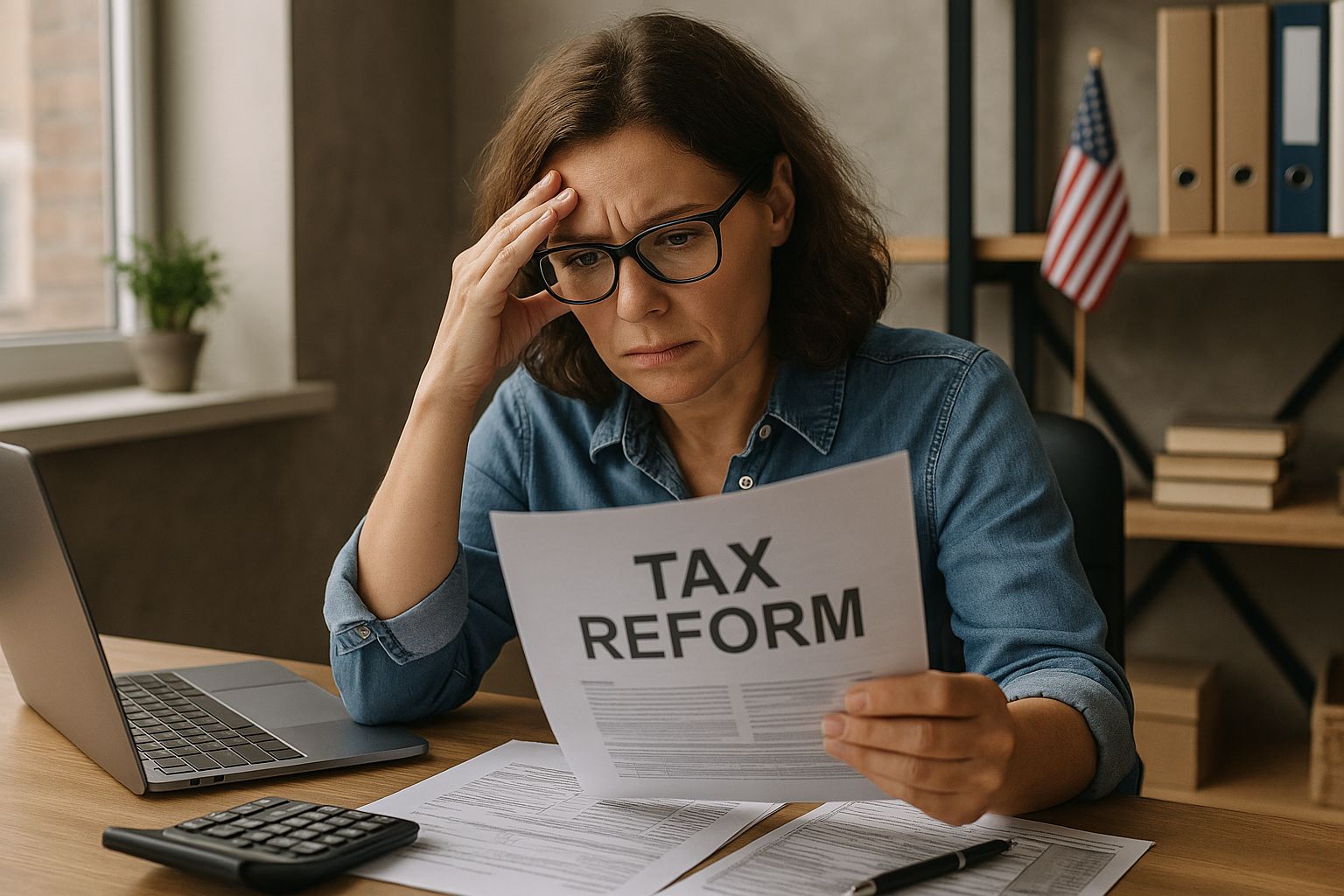 Exploring the impacts of recent tax reforms on small businesses in the United States and how they can benefit from new deductions.
Latest from The Progressive Accountant
- Key Leadership Shifts in Major Accounting Firms: Navigating the Future
- Navigating Leadership Changes: The Impact of New CFOs in Tech Firms
- Leadership Shake-Up Signals New Beginnings for Deloitte USA
- Leadership Transition in Big Four Accounting Firms Marks a New Era
- Navigating the Complexities of Sales Tax Compliance for Digital Goods
Most Read
-

-
Oct 30 2018
-
Written by Craig Gehrig
 Many large companies have already adopted some form of automation…
-
-

-
Dec 16 2019
-
Written by News
Artificial intelligence will be used to complete an unfinished symphony,…
-
-

-
Mar 17 2020
-
Written by Deborah Huyett
“What do you think you’re doing, Dave?” This iconic line…
-
-

-
Jan 08 2019
-
Written by Robert Agar
Industrial robots are not a new phenomena. They have been…
-