The digital era has ushered in a transformative wave of e-commerce, where businesses are driven to adapt to new forms of commerce and taxation. As digital goods continue to proliferate, sales tax compliance presents an array of complexities for businesses, especially those operating across multiple jurisdictions.
With each state implementing different tax regulations and rates for digital goods, businesses must stay informed and nimble to avoid financial repercussions. Recent trends have demonstrated heightened scrutiny from state authorities, emphasizing the importance of precise tax compliance. Companies like Netflix and Amazon serve as prime examples of managing this labyrinthine environment effectively, optimizing systems and employing experts in sales tax logistics.
E-commerce businesses are advised to leverage advanced tax compliance software, which seamlessly integrates with sales platforms to automate tax calculation and jurisdictional compliance. By doing so, they sidestep potential audits and hefty penalties while ensuring accurate and timely tax submissions.
Additionally, businesses need to stay abreast of periodic changes in tax laws and proactively update their tax compliance strategies. Tailoring strategies to the evolving landscape not only assures compliance but also mitigates liability risks. The intricate web of sales tax for digital goods calls for astute planning and resources, securing financial integrity and fostering trust with both consumers and regulators.
Navigating the Complexities of Sales Tax Compliance for Digital Goods Featured
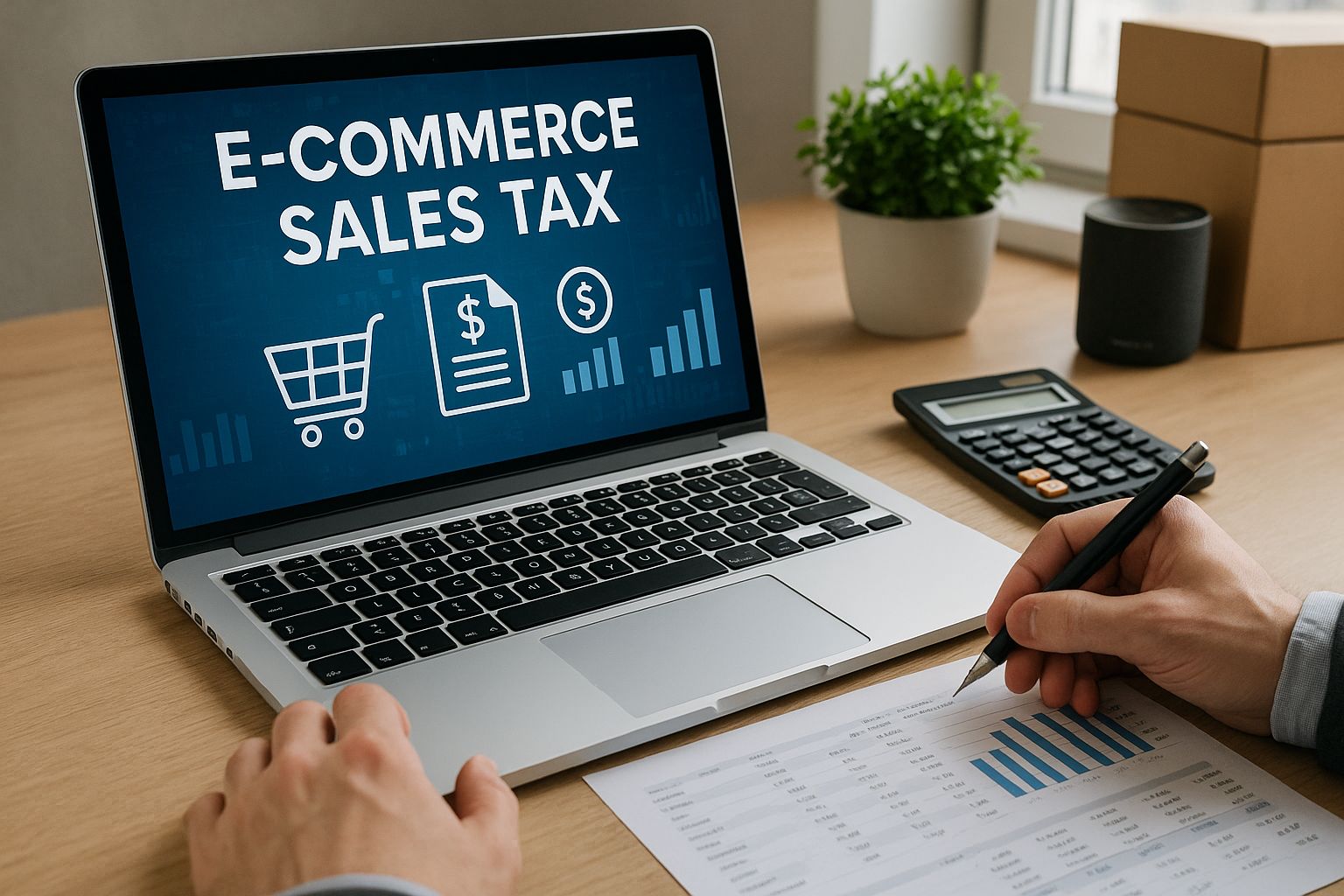 Explore critical facets of sales tax compliance for digital goods in the evolving e-commerce landscape, emphasizing state-specific regulations and solutions for businesses.

Latest from The Progressive Accountant
- Key Leadership Shifts in Major Accounting Firms: Navigating the Future
- Navigating Leadership Changes: The Impact of New CFOs in Tech Firms
- Leadership Shake-Up Signals New Beginnings for Deloitte USA
- Leadership Transition in Big Four Accounting Firms Marks a New Era
- Navigating the Complexities of Sales Tax Compliance: Trends and Insights